Cat Design for Embroidery Projects
First Impressions of Cat Design,Cats Lover
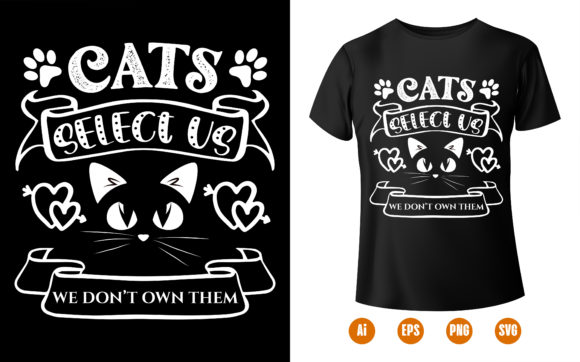
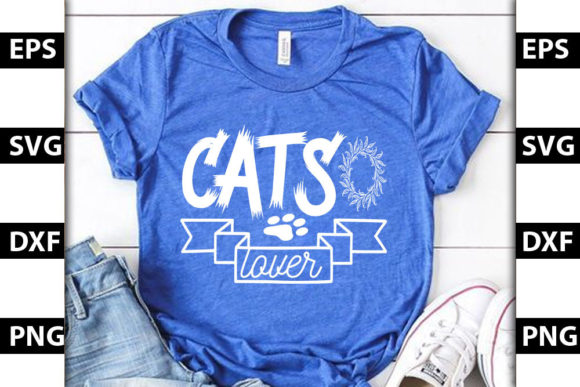
When I first opened the ZIP file containing Cat Design,Cats Lover, I was immediately drawn to its charm. The design has a playful yet refined look that feels perfect for a wide range of embroidery projects. The cat is stylized with soft curves and expressive features, giving it an approachable and friendly vibe. It's not overly detailed, which makes it versatile for both simple and more intricate embroidery work.
The layout is balanced, with the cat centered in a way that allows for easy placement on various items. The overall mood is light-hearted and whimsical, making it ideal for custom apparel, personalized gifts, or even boutique branding. I can see this design fitting well on tote bags, baby clothes, or even embroidered patches for a small shop product line.
How Cat Design,Cats Lover Performs in Real Embroidery Situations
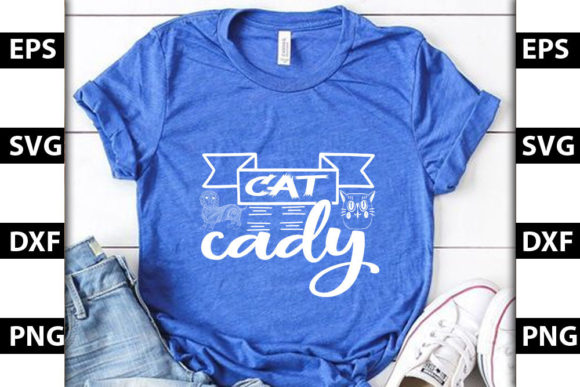
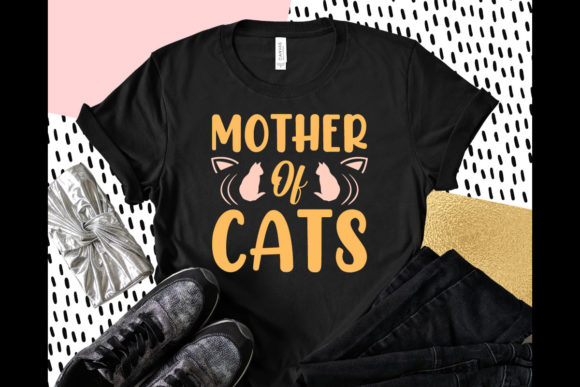
As an experienced designer, I tested Cat Design,Cats Lover on different fabric types and hoop sizes to see how it would translate into a finished product. The design works particularly well on medium to large hoop sizes, allowing for clear stitch definition and smooth flow of the cat’s shape. On a sweatshirt or t-shirt, the cat stands out nicely without overwhelming the garment.
For a custom embroidered tote bag, the design adds a touch of personality without being too busy. The lines are clean, and the negative space helps keep the focus on the cat. When I used it on a pillow cover, the stitching clarity was excellent, and the result looked handmade yet professional.
This design also translates well into smaller projects like aprons, caps, or patches. However, I noticed that on very small hoop sizes or thin fabrics, some details might get lost. It’s important to test the design on scrap fabric first to ensure the stitch density doesn’t cause puckering or distortion.
Where to Use Cat Design,Cats Lover with Caution
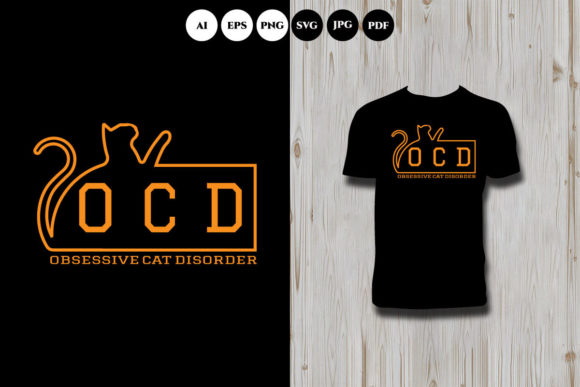
Cat Design,Cats Lover is a great all-rounder, but there are a few scenarios where careful consideration is needed. For instance, when using it on dark fabrics, thread color contrast becomes crucial. A white or light-colored cat on a black background may not be as visible as intended, so testing with different thread colors is recommended.
Additionally, if you plan to use the design on stretchy or textured fabrics, using a proper stabilizer is essential. This will help maintain the integrity of the stitches and prevent the design from distorting over time. On curved surfaces like caps or hats, the design needs to be adjusted slightly to fit the contours properly.
For commercial embroidery projects, especially those involving frequent washing, the durability of the stitching should be checked. While the design itself is strong, the fabric and stabilizer choice play a big role in the final product’s longevity.
Visual Appeal and Customer Impact
The visual appeal of Cat Design,Cats Lover is one of its strongest points. It brings a sense of warmth and familiarity to any project it’s applied to. Whether it’s a holiday gift, a nursery decor piece, or a personalized item for a client, the design enhances the product’s value and makes it more memorable.
For Etsy sellers or craft business owners, this design can serve as a unique selling point. Customers often appreciate handmade products that feel personal and meaningful. Using Cat Design,Cats Lover on items like baby clothes or embroidered patches can create a sense of connection and trust with buyers.
From a brand consistency standpoint, this design aligns well with themes focused on pets, whimsy, or everyday comfort. It’s also highly giftable, which is a big plus for small shop products and boutique branding.
Practical Embroidery Designer Notes
Before using Cat Design,Cats Lover in any real project, I recommend testing it on scrap fabric first. Check the thread color contrast, especially if you're working with dark backgrounds. Review the stitch density to avoid overcrowding the design, and confirm the hoop size required for your specific project.
Inspect small details closely—especially if the design includes tiny lettering or decorative accents. Testing it in black and white mockups can help identify potential issues before committing to a finished product. Compare how it looks on light and dark fabric backgrounds to ensure it meets your expectations.
Always use proper stabilizer when working with delicate or stretchy fabrics. If you're planning to sell finished items or digital products, make sure to confirm the licensing terms provided in the ZIP file. Lastly, check whether the design works for both personal and commercial embroidery projects before moving forward.