Cheetah Head Logo Review for Embroidery Projects
First Impressions: Wild and Witty
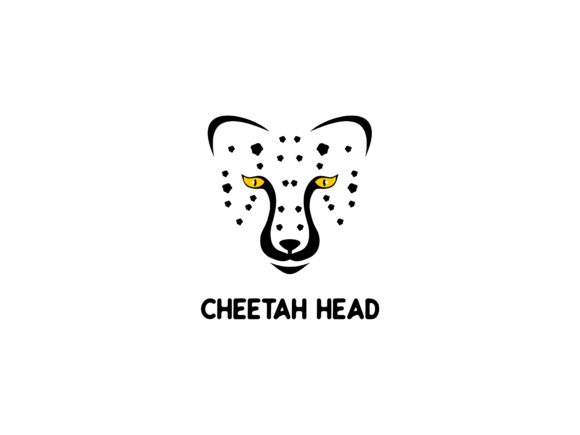
When I first opened the Cheetah Head Logo file, it immediately struck me as a bold yet balanced design. The vector illustration of the cheetah head exudes a playful wildness while maintaining a clean, stylized look that feels professional. It’s not overly detailed, which is a good thing—it avoids overwhelming the embroidery process. The transparent background makes it easy to visualize how this logo would sit on different fabrics, from light cotton to dark denim.
The mood created by this design is adventurous and slightly cheeky. It’s the kind of logo that could work well on a child’s backpack or a boutique’s branding. The simplicity of the lines and the strong outlines suggest it would stitch cleanly without getting lost in the fabric texture.
Real-Life Scenario: A Custom Embroidered Tote Bag
Let’s imagine using the Cheetah Head Logo on a custom embroidered tote bag. As an embroidery designer, I’d start by considering the placement. This logo has a centered, symmetrical layout that works best when positioned in the middle or at the top of the item. I can see it looking great on a large tote with a soft cotton fabric, where the detail can be appreciated without being too busy.
The resolution of 300 dpi is a solid choice for embroidery files, ensuring clarity even when scaled up. However, if you plan to use this on smaller items like patches or caps, I recommend checking the stitch count and density to ensure it won’t get too crowded or lose definition.
This design would also translate well into custom apparel, such as sweatshirts or t-shirts, especially if paired with a simple color palette. For example, a black-and-white version could add a modern twist to a casual hoodie, making it appealing to both kids and adults.
Where to Use Cheetah Head Logo with Caution
While the Cheetah Head Logo is versatile, there are some scenarios where extra care should be taken. On small hoop sizes, the details might get lost or distorted, so testing it on scrap fabric before committing to a full project is essential. If you're working with stretchy fabrics like knits or thin materials, using a proper stabilizer will help maintain the shape and prevent puckering.
For dark fabric backgrounds, thread color contrast becomes critical. A white or bright-colored thread might pop nicely, but if the fabric is too dark, the design may not stand out as intended. Similarly, on textured fabrics like canvas or burlap, the stitching may appear less crisp compared to smoother materials like cotton or polyester blends.
Curved surfaces like caps or hats require additional attention to how the design wraps around the curve. You might need to adjust the layout slightly or break the design into sections for better coverage and alignment.
Visual Appeal and Professionalism
The Cheetah Head Logo brings a sense of fun and energy to any product it's applied to. Whether it's a personalized gift, a handmade item, or a commercial product, this logo adds a touch of character. Its clean lines and minimalistic approach make it adaptable to various styles—modern, rustic, or even whimsical.
From a customer perspective, the visual appeal of this design can enhance the perceived value of your product. It helps establish brand recognition and professionalism, especially if you're selling through platforms like Etsy or at craft fairs. Buyers often associate clear, well-designed logos with quality and attention to detail.
As a craft business owner, I'd consider this logo ideal for creating small shop products like aprons, pillow covers, or holiday gifts. Its animal theme makes it particularly appealing for baby-related items, such as onesies or blankets, where a playful yet stylish design is key.
Embroidery Designer Notes
Before using the Cheetah Head Logo in any project, here are a few practical steps I always take:
- Test on scrap fabric: Always do a test run to check how the design looks in real stitching. This helps identify any potential issues with stitch density or fabric compatibility.
- Check thread colors: Ensure the chosen thread colors contrast well with the fabric you’re using. A mockup in black and white can help determine visibility.
- Review stitch density: High-density areas might cause distortion or require more stabilizer. Adjustments can be made in embroidery software if needed.
- Confirm hoop size: Make sure the design fits comfortably within your hoop without stretching or distorting the fabric.
- Inspect small details: Check for any tiny elements that might be lost in translation during the embroidery process.
- Use proper stabilizer: Especially important for stretchy or textured fabrics to keep the design flat and secure.
- Confirm licensing: Before selling finished items or digital products, verify the license terms to avoid legal issues.
The Cheetah Head Logo is a solid addition to any embroidery project, offering a unique blend of style and simplicity. With careful planning and attention to detail, it can elevate your handmade products, custom apparel, or boutique branding. Just remember to test, adjust, and always consider the final fabric and application before committing to a full run.